What Details to Share with an Emergency Locksmith During a Home Lockout
Getting locked out of your own home can feel frustrating and stressful. You may be carrying everything you need, keys, phone, wallet, except the one key that actually opens the door. In that moment, your first instinct is to call a locksmith who can get you back inside quickly. But once you make that call, what information should you have ready? Knowing what to share with the emergency locksmith helps them respond faster and bring the right tools, saving you time and hassle.
When you contact a locksmith during a home lockout, you should be prepared to give them your exact location, the type of lock you have, proof that you live at the address, a description of the door and its condition, and any details about the key or locking mechanism. Providing these details upfront helps the locksmith assess the situation and arrive with the correct equipment. It also speeds up the verification process, so they can start working on getting you back inside without unnecessary delays.
Your Exact Location and Contact Information
The most obvious piece of information is your address. But during a lockout, especially if you are locked out of a rental property, a friend's house, or a new home, you may not have the exact address memorized. Take a moment to check mail, a delivery label, or your phone's map app to confirm the street number and name. If you are in an apartment complex, also mention the building number and unit number. Some complexes have multiple entrances, so letting the locksmith know which side of the building you are on can save time.
Your phone number is equally important. The locksmith may need to call you if they have trouble finding the location or if they need to ask a clarifying question. Keep your phone charged and within reach so you can answer quickly.
The Type of Lock and Door
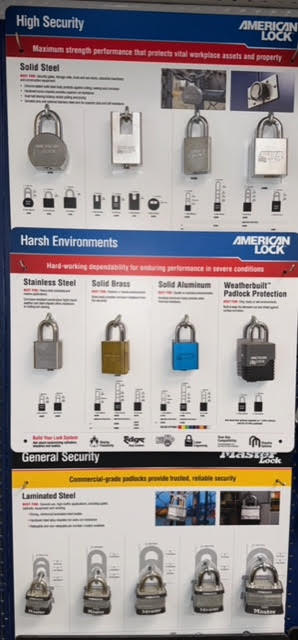
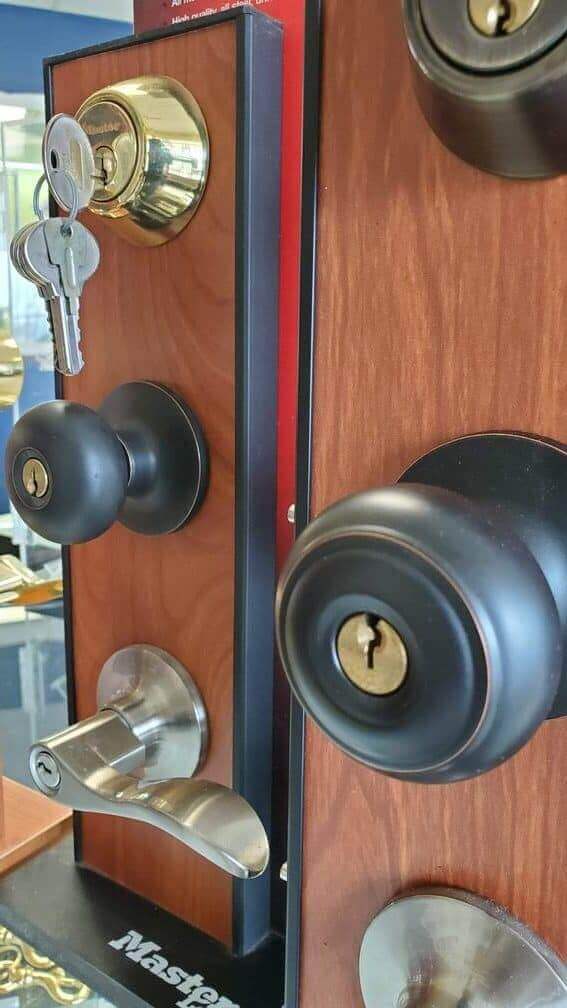
Different locks require different tools and techniques. If you can describe the lock you are dealing with, the locksmith can bring the right gear. Common residential locks include deadbolts, key-in-knob locks, lever handle locks, and smart locks. If you are not sure what kind of lock you have, look at the door from the outside. Is there a separate deadbolt above the handle? Is it a standard keyhole or a push-button combination lock? If you have a smart lock that runs on batteries, mention that the batteries may be dead or the keypad is unresponsive.
Describe the door material too, wood, metal, fiberglass, and whether it opens inward or outward. A door that opens inward may allow the locksmith to use a bypass tool, while an outward-opening door often requires drilling or picking. Also note if the door has a storm door, a security screen, or a sliding bolt on the inside. These details help the locksmith plan the entry method before they arrive.
Proof of Residency or Ownership
Locksmiths are trained to verify that you have a legal right to access the property. This protects you and prevents unauthorized entry. When you call, be ready to provide proof of address. Acceptable forms include a driver's license with your current address, a lease agreement, a utility bill, or a piece of mail postmarked to that address. If you are locked out of a rental property and do not have a lease with you, the property manager or landlord may need to confirm your tenancy over the phone or in person.
If you are locked out of a friend's home, the homeowner should ideally be present or available by phone to give permission. Some locksmiths may also accept a written authorization or a text message from the homeowner. Being upfront about your relationship to the property helps the locksmith handle the situation professionally and avoid any legal issues.
Details About the Key and Locking Mechanism
Do you have a spare key somewhere, or did you lose the only copy? If you have a spare key with a neighbor, family member, or in a lockbox, mention that. The locksmith may advise you to retrieve it before they arrive, which could save you the service fee. If the key is broken off inside the lock, describe how much of the key is visible and whether it is stuck or loose. A locksmith can extract a broken key, but they need to know the condition to bring the correct extraction tool.
If the lock is a simple spring latch or a mortise lock, the locksmith may use a bypass tool that slides between the door and the frame. If the lock is a high-security deadbolt or a smart lock with an electronic strike, they may need to use a drill or a specialized decoder. Giving them this information upfront helps them choose the best approach and avoid damaging the door.
Description of the Door's Condition
Is the door warped, swollen from rain, or painted shut? A door that does not close properly may require extra force or a different technique. If the door has a chain lock, a slide bolt, or a secondary lock on the inside, mention that too. These interior locks cannot be reached from the outside, so the locksmith may need to drill through the door or use a long reach tool to manipulate them. Letting the locksmith know about these obstacles before they arrive saves them from having to return to the truck for additional tools.
Also describe the condition of the door frame. A loose or rotting frame may not hold a new lock properly if the locksmith has to replace the old one. If you plan to rekey or upgrade the lock after the lockout, mention that during the call so the locksmith can bring compatible parts.
When to Call and What to Expect
Many locksmiths offer 24/7 emergency service, but response times can vary depending on traffic, weather, and how many calls they have. If you are locked out at night, in bad weather, or in a remote location, expect a longer wait. Calling as soon as you realize you are locked out, rather than after trying to break in yourself, gives the locksmith the best chance of arriving quickly. Trying to force the door open can damage the lock, the door, or the frame, making the repair more expensive and time-consuming.
If you are in a situation where you feel unsafe, such as a stranger approaching while you wait, mention that to the dispatcher. They can prioritize your call or instruct you to move to a safer spot. Your safety matters more than getting inside quickly.
Okey Locksmith is also on YouTube.
Once the locksmith arrives, they will typically inspect the lock, confirm your identity again, and then choose the least destructive method to open the door. For most standard home lockouts, they can use a bypass tool or a pick to open the lock without damaging it. If the lock is damaged or the key is broken inside, they may need to drill the lock and replace it with a new one. They will explain the process before starting, so you can ask questions if anything is unclear.
Being prepared with the right information helps you get fast help during a lockout. It reduces the time the locksmith spends on assessment and lets them focus on getting you back inside. Keep a list of these details in your phone or on a piece of paper near your door, so you can reference it quickly if you ever find yourself locked out.
Even with the best preparation, a lockout can feel overwhelming. Knowing that you can call a professional who has the tools and experience to handle the situation makes it easier. The locksmith's job is to get you inside safely and efficiently, and your cooperation makes that possible.
For residents of Oklahoma City and the surrounding areas, Okey Locksmith provides 24/7 mobile automotive, residential, commercial, access control, and emergency locksmith services from their location at 3121 SW 29th St, Oklahoma City, OK 73119, USA, and can be reached at +1 405-703-8943 for fast help during a lockout.